English
 português
 français
 italiano

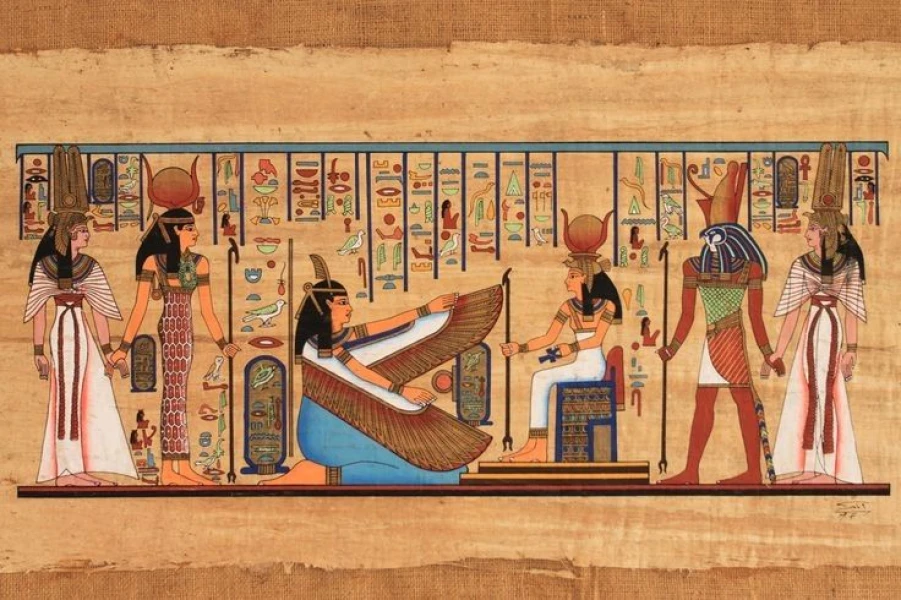

The Middle Kingdom of Egypt History
One of the most astounding chapters of Ancient Egypt's history is known as the Middle Kingdom, and it was during this time between approximately 2050-1710 BC, that Egypt truly rebirth and achieved remarkable stability and innovation. The period that gave rise to fantastic creations of art, literature, architecture, and an efficient system of government that was later the hallmark of the powerful New Kingdom. Understanding the Middle Kingdom is a must for anyone traveling through Egypt.
The enduring remains of the Middle Kingdom in the pyramids of the Fayoum to the temples in Thebes that we explore during a Luxor Day Tour continue to amaze those who travel through the Land of the Pharaohs. It all began after the troubled and disorganized First Intermediate Period, when Egypt was reunited by two great leaders, Mentuhotep II and Amenemhat I, which brought stability, great cultural progress, and efficient administration which paved the way for the subsequent New Kingdom.
The Beginning of the Middle Kingdom
Before then, under the First Intermediate Period, Egypt was turbulent, and it was with the arrival of the Middle Kingdom that order was established and Egypt was once again peaceful and flourishing. One specific pharaoh called Mentuhotep II is said to have unified the kingdoms of Upper and Lower Egypt and established control. This marks an orderly conclusion of years of political disruption and social disorder following the old monarchy, and a new age was dawned upon Egypt.
One of the earliest large architectural works of the Middle Kingdom under Mentuhotep II is the mortuary temple that Mentuhotep built in the South Deir el-Bahari valley. It can be admired by many who visit Luxor today and this structure shows ancient Egyptian craftsmen how their projects could be made using rock cut tomb and spacious central court as part of its structure. It demonstrates the rebirth of Egypt.
Art and Culture During the Middle Kingdom
The Egyptian empire was by the middle of the New Kingdom, the largest it had ever become thanks to a long run of potent pharaohs, from the aptly nicknamed Napoleon of Egypt (Thutmose III) through to the Ramsese (especially Ramses II), the very image of Egyptian might. Egypt the civilization rose as high as modern Sudan and the Levant to which reverse flow, connecting the state with its wealth. To catch a feel of this luxury in real time whilst in Egypt people may like to look at historical videos on visit of museums storing the spoils of this campaigns in Cairo or visit of temples like those of Ramses II (Abu Simbel – constructed not to worship the gods alone, but to be seen by them showing Egypt’s strength) that display wealth and grandeur as well. Day trips Cairo offer often include tour of the Egyptian Museum in Cairo which will through collection of golden jewelries, chariots and stelas attest to the value and skill of the New Kingdom age.
Middle Kingdom Architecture and Famous Monuments
Egyptian Middle Kingdom architecture has ranged from the continuation of styles with new features to the complete invention of new styles of architecture. Using structures such as fortresses, temples and pyramids, among these 12th-dynasty Pharaohs, Senusret I and Amenemhat III were more prominent in launching big construction programs. Middle Kingdom pyramids were different from the pyramid architecture of the Old Kingdom: its kernels were made of mud bricks, and the casing was of limestone.
Among such landmarks, one of the most enigmatic was the Labyrinth of Amenemhat III at Hawara, near the Fayoum Oasis. This imperial structure, which was described by ancient writers like Herodotus, had several rooms and actual passageways that astounded the guests. For the people on Egypt Tours, the attractions involving the Fayoum region give them an insight into the engineering advancements made by the Middle Kingdom people. This area offers several natural attractions and is capable of attracting many history lovers.
Trade and Economy in the Middle Kingdom
The Middle Kingdom was an era of economic prosperity accorded by business and politics. The grand trade relationships were developed with the neighboring kingdoms; necessary materials were imported from Lebanon, gold and ivory from Nubian, and Lapis lazuli from Afghanistan. Even these trade exchanges benefited Egypt from the economic front and, at the same time, promoted cultural exchange that impacted art and technology.
A well-established route for Middle Kingdom trade was linked to Aswan, the door to Nubia. Aswan Cruises gives tourists a chance to visit some of the exteriors, including quarries and temples that depicted the earnings of Egypt. The general significance of Aswan in this period sufficiently indicates that the pharaohs were not so wrong in their policy of consolidation and contentious border control.
Why the Middle Kingdom Still Matters Today
The Middle Kingdom of Egypt remains an important subject of study because it represents many of the positive values we associate with people and society, such as resilience, creativity, and the ability to progress. Their leaders came for reconstruction from fragmentation to start a new golden era, which had a lasting imprint on the world. Starting with pyramids and great monuments to literature and arts, architecture and learning, Egypt of the pharaohs proves that it is one of the most ingenious periods in the entire history of this incredible country.
Happy Egypt welcomes tourists today who want to learn about Egypt's past through the available Egypt travel packages. Explore the Cairo Day Tour, visit the beauty of Luxor, or discover the mystery of Aswan—all will bring you closer to this incredible civilization. Use the tales of the Middle Kingdom as your guide and travel with Egyptian stories with an exciting tour through the land of Pharaohs.


-on-Instagram_-“Another-view-angle-of-the-Golden-mask-of-King-Tutankhamun,-Cairo-museum_-_____________________________________________-FOLLOW-➡️…”-webp.webp "Tutankhamun")


-webp.webp)
-webp-webp.webp)
-webp-webp.webp)
-webp-webp.webp)
-webp-webp.webp)
-webp-webp.webp)
-webp-webp.webp)
-webp-webp.webp)
-webp-webp.webp)
-webp-webp.webp)