English
 português
 français
 italiano

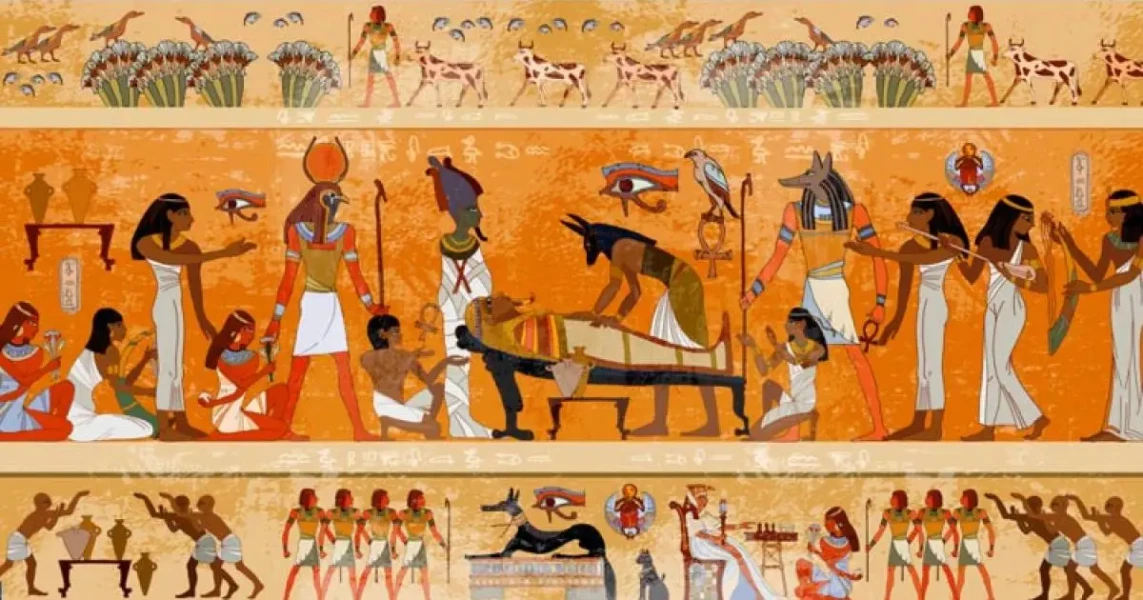
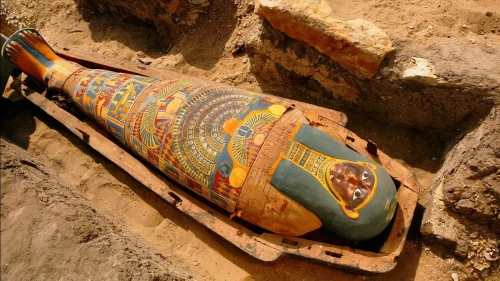
Ancient Egyptian mummification was the most highly developed embalming system of the ancient world. Ancient Egyptian embalmers employed an elaborate process for embalming dead bodies that included the removal of some internal organs, covering the body with natron, and then sealing the body with oils and resins before wrapping it in bandages. Discover how the ancient Egyptians mummified their dead by reading about their religious beliefs, rituals, and procedures.
The Secrets of Mummification in Ancient Egypt
Mummification was the most common way of burying the body in ancient Egypt. The ancient Egyptians thought that to be able to travel into the afterlife the body of the dead needed to be preserved, which is why the Egyptians spent thousands of years perfecting mummification to produce the mummies we see today.
So how did the ancient Egyptians treat their deceased? The ancient Egyptians would first wash the body, then they would remove organs such as the stomach, lungs, and liver, treat the body with natron, apply oil and resin and then wrap the body in linen.Discover more Facts about Egyptian History to explore the fascinating traditions and beliefs of ancient Egypt.
Why Did Ancient Egyptians Mummify Their Dead?
The ancient Egyptians had very strong beliefs about death and the afterlife. They believed that the body had to be made into something that they could still recognize so that it could live on after death.
Therefore, mummification was an integral part of Egyptian religion. The body being preserved was considered one part of a comprehensive Egyptian tradition of burial that also incorporated coffins, tombs, offerings, prayers and objects.
How Did Ancient Egyptians Mummify Their Dead?
The general length of time for this ancient Egyptian mummification process was approximately 70 days.
1. Preparing the Body
Once a person had died, they were washed and purified before being embalmed. Embalmers operated in specific workplaces and in a manner that was traditional.
2. Removing the Internal Organs
Typically the brain was extracted by way of the nose with the use of specific tools. The viscera were likewise removed as they would rot during the embalming process.
They would typically be stored individually in canopic jars- they stored the liver, lungs, stomach and intestines. The heart was usually kept inside the body as it was thought to be the most important part of the individual for judgment purposes in the after life.
3. Drying the Body With Natron
One of the most important steps was drying the body, with the help of natron, which is a naturally-occurring salt mixture.
The body was then covered with a mixture of natron that would absorb all moisture, preventing the body from rotting. The drying process was the second key process in making a long-lasting mummy.
4.Treating the Body With Oils and Resins
The body was dried, embalmers rubbed oils, resins, and other materials on it. This was good for the body and gave the mummy a "more preserved look."
The body can also have material injected into it to help hold its shape.
5. Wrapping the Mummy in Linen
Wrapped in many layers of linen the entire body was preserved. Sometimes, amulets were placed between the layers because they were thought to be protective.
During the wrapping process, prayers and religious rituals were being recited on the various stage of wrapping.
6. Placing the Mummy in a Coffin
When the mummy was wrapped, it was lowered inside one or more coffins. Rich people might have had very ornate coffins made using precious metals and stones.
The mummy was placed in a tomb with items and offerings thought to be of use to the owner in the world beyond.
What Were Canopic Jars Used For?
Canopic jars were used to hold the internal organs of the deceased person, which were removed before mummification.
Four organs commonly stored in canopic jars include: Liver, Lungs, Stomach and Intestines. Many canopic jars were believed to have been dedicated to four protective deities called the Sons of Horus.
What Was Natron Used For?
Native to Egypt mummification process Natron The substance that was used during the mummification process in Egypt was called natron. This is a natural salt substance that can extract moisture.
Dried with natron, the body decomposed at a slower rate and embalmers had more time to prepare the body for mummification.
Did All Ancient Egyptians Get Mummified?
Not all ancient Egyptians were equally well mummified. Because mummification could be costly and time-consuming, people of higher rank could afford a better quality of embalming.
The richest people were luxurious mummification and burial, the less rich had simpler burials.
How Long Did Mummification Take?
The mummification of a body standardly took about 70 days. It involved dehydrating the body and applying preservative compounds, encasing it in linen, and the required ritual activities to prepare it for burial.
What Happened After Mummification?
Once the mummy had been dressed it was put into a coffin and carried to the tomb. The deceased was then taken to the underworld as part of burial rites.
Another key ritual was the Opening of the Mouth, which was meant to restore the ability to breathe, chew, speak and use the senses in the afterlife.
Egyptian Mummification and the Afterlife
Ancient Egyptian mummification cannot be studied in isolation, for it is closely connected with Egyptian religious ideas. To the ancient Egyptians, death was not the end of existence but a step to another life.
The funerary objects, offerings and religious practices along with the mummification process were also associated with helping the deceased travel into the afterlife. These beliefs are why the Egyptians placed so much importance on preservation.
-webp.webp)
-webp-webp.webp)
-webp-webp.webp)
-webp-webp.webp)
-webp-webp.webp)
-webp-webp.webp)
-webp-webp.webp)
-webp-webp.webp)
-webp-webp.webp)
-webp-webp.webp)