English
 português
 français
 italiano

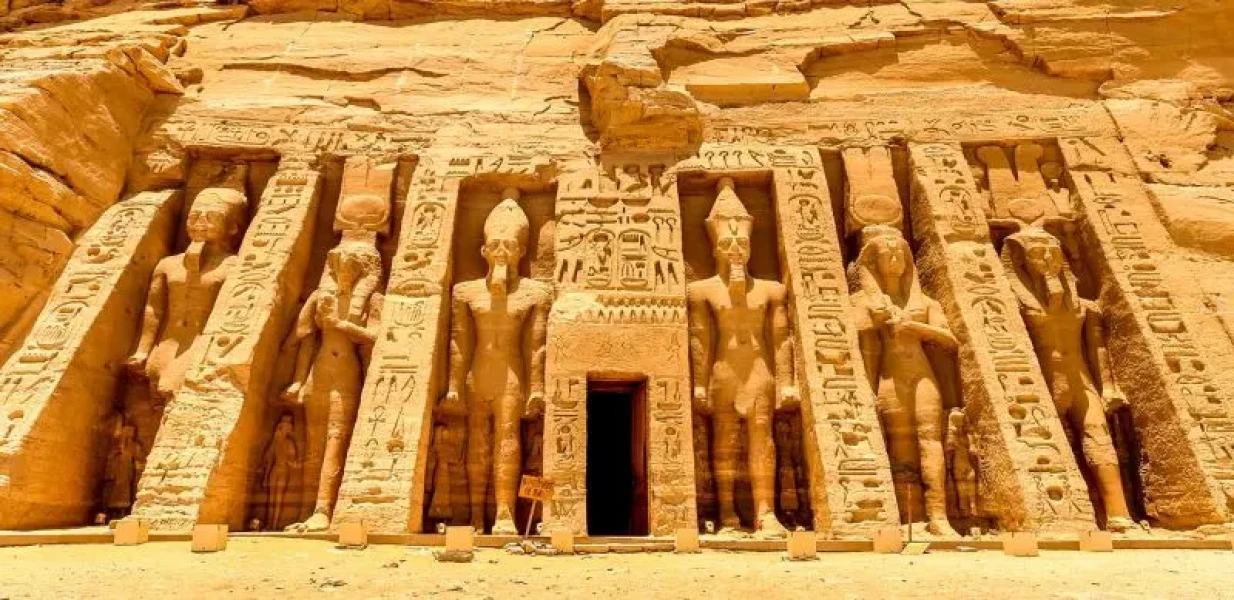
-webp.webp "Ramses II: The Story of a Great Pharaoh")
Discover the story of Ramses II, one of the most famous pharaohs of ancient Egypt. Learn about Ramses II's reign, Ramses II's military campaigns the Battle of Kadesh Ramses II's famous peace treaty and the magnificent monuments that Ramses II built including Abu Simbel and temples across Egypt. This guide from Happy Egypt explores facts about Egyptian History and shows how Ramses II's legacy connects with Egypt Tours and Cairo Attractions. Whether you are planning a trip or simply want to learn more, about Egypt discover the story of Ramses II and the remarkable civilization that Ramses II helped shape.
Who Was Ramses II?
Ramses II is a well known pharaoh from ancient Egypt. Many people call him Ramses the Great. He ruled Egypt for around 66 years during the Dynasty from approximately 1279 to 1213 BC. His long reign made him one of the serving rulers of ancient Egypt and allowed him to build a powerful and lasting legacy.
Ramses II became pharaoh after his father, Seti I. From the beginning of his reign he worked to strengthen Egypt's position in the world. He was a leader, builder and political ruler who wanted to make Egypt powerful and respected.
During his reign Ramses II became known for his building projects. He ordered the construction of temples, statues, monuments and cities throughout Egypt. Many of these monuments still attract visitors today. Provide important information about ancient Egyptian civilization.
For travelers interested in Facts, about History the story of Ramses II is an excellent way to understand the power, culture, religion and achievements of ancient Egypt.
Ramses II and His Military Achievements
Ramses II was also famous for his campaigns. One of the well known events of Ramses II’s reign was the Battle of Kadesh. Ramses II fought the Hittite Empire around 1274 BC. The Battle of Kadesh happened near the city of Kadesh in a place that's now part of modern Syria.
The Battle of Kadesh was an event in Ramses II’s reign. Egyptian records and monuments show Ramses II as a warrior and a powerful leader. Ramses II’s own account of the Battle of Kadesh was carved on the walls of temples. These walls give historians information about how ancient Egyptians showed their military achievements.
Years after the conflict, Egypt and the Hittite Empire signed a peace agreement. The treaty is one of the known international peace treaties in history. This shows that Ramses II was not focused on warfare but also on diplomacy and on keeping stability.
Ramses II’s military and political achievements helped build Ramses II’s reputation, as a pharaoh. Ramses II’s story is a part of ancient Egyptian history. It is one of the reasons why Ramses II is still remembered as Ramses the Great.
The Great Monuments of Ramses II
Ramses II left behind some of the impressive monuments in Egypt. One of the famous is Abu Simbel, a magnificent temple complex in southern Egypt. The entrance of the Great Temple features four seated statues of Ramses II showing the scale and ambition of his building projects.
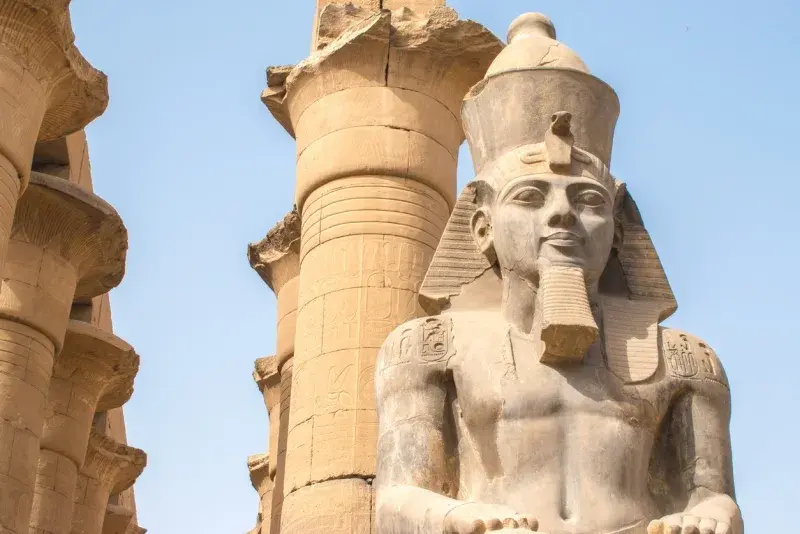
Ramses II also. Decorated important temples across Egypt. At Karnak, Luxor and other ancient sites visitors can still see statues, columns, reliefs and inscriptions connected with Ramses II's reign. He also established Pi-Ramesses as a royal city in the Nile Delta.
His monuments were not simply built for beauty. They were designed to show the power of the pharaoh honor the gods and preserve Ramses II's name for generations. The size and number of his monuments demonstrate the resources and organization available to Egypt during his long reign.
Visitors interested in Egypt Tours can explore places connected with Ramses II. While Cairo Attractions offer museums and historic sites where travelers can learn about Egypt trips to Luxor and Abu Simbel provide the chance to see some of Ramses II's most impressive monuments, in person.
Where Was Ramses II Buried?
Ramses II was first laid to rest in KV7, a tomb in the Valley of the Kings on the western side of ancient Thebes close to what we now call Luxor. Ramses II was one of Egypt’s most powerful and influential pharaohs. Ramses II ruled for years and helped strengthen and grow the Egyptian kingdom.
Just as the famous tomb of Queen Nefertari, the burial of Ramses II was built to honor Ramses II’s status as pharaoh and to ready him for the afterlife. Over time Ramses II’s tomb was damaged and opened to ancient tomb robbers. To keep Ramses II safe priests moved Ramses II’s mummy to a hidden cache at Deir el-Bahari.
In 1881 archaeologists found Ramses II’s mummy in this hidden cache with the remains of other great Egyptian rulers. Ramses II’s mummy was then taken to the Egyptian Museum in Cairo, where it became one of the treasured royal mummies kept in Egypt.
Ramses II is also known from the statues and monuments made while he ruled. A well‑known example is the Younger Memnon, a statue of Ramses II from about 1250 BC. Now the Younger Memnon sits at the British Museum in London. Shows Ramses II as a strong ruler and warrior. Ramses II’s tomb, mummy, statues and monuments still give us insight, into the life and legacy of one of ancient Egypt’s most famous pharaohs.
The Legacy of Ramses II
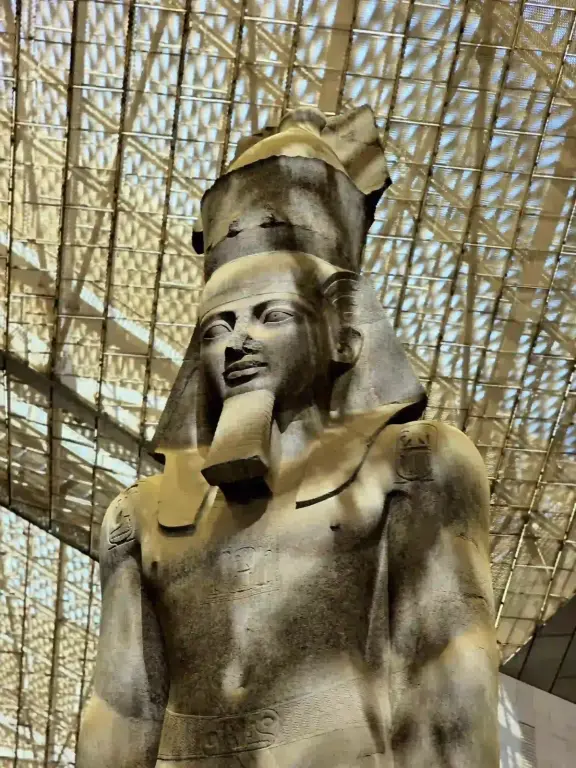
Ramses II died after a long reign and was buried in the Valley of the Kings. Ramses II's mummy was later. Eventually discovered together with other royal mummies. Today Ramses II's remains give researchers information about the life and health of one of Egypts most famous rulers.
The legacy of Ramses II can still be seen across Egypt. Ramses II's statues, temples, inscriptions and monuments have survived for thousands of years. Ramses II's name is closely connected with Egypt's military power, architecture, religion and royal traditions.
Although Ramses II lived than 3,000 years ago Ramses II's story continues to attract people from around the world. Ramses II's monuments are among the highlights for travelers exploring Egypt and Ramses II's long reign makes Ramses II an important figure when learning about the countrys civilization.
Whether a person is interested in history, archaeology or ancient architecture learning about Ramses II can make a visit to Egypt more interesting. From Cairo attractions to the temples of Luxor and the magnificent Abu Simbel Egypt offers opportunities to discover the legacy of Ramses II.
Ramses II remains one of the recognizable names, in ancient Egyptian history. Ramses II's long reign, military campaigns, diplomatic achievements and impressive monuments helped create a legacy that has survived for thousands of years.
-webp.webp)
-webp-webp.webp)
-webp-webp.webp)
-webp-webp.webp)
-webp-webp.webp)
-webp-webp.webp)
-webp-webp.webp)
-webp-webp.webp)
-webp-webp.webp)
-webp-webp.webp)