English
 português
 français
 italiano
 русский
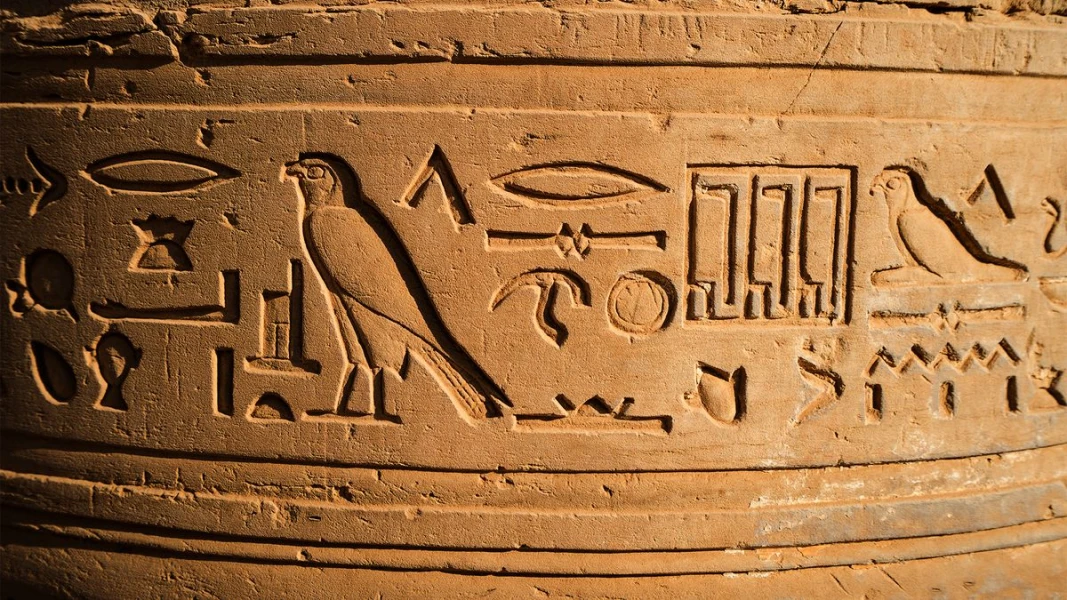

The decipherment of Egyptian hieroglyphs is one of the greatest achievements in archaeological history. Thanks to the discovery of the Rosetta Stone and the groundbreaking work of scholars such as Thomas Young and Jean-François Champollion, the mysterious writing system of Ancient Egypt was finally understood. This guide explores how Egyptian hieroglyphics were deciphered and why the Rosetta Stone became one of the world's most important archaeological discoveries.
Today, visitors to Egypt can see the Rosetta Stone's impact on the study of Ancient Egypt through museums, archaeological discoveries, and historical sites. Understanding how Egyptian hieroglyphs were deciphered provides a deeper appreciation of the language, culture, and achievements of one of the world's greatest civilizations.
The Discovery of the Rosetta Stone
Against such sort of fruitless speculations, you get the sense that the occasional sharp observations made by exceptional scholars, like de Guignes, Warburton, and Carsten Niebuhr, could hardly go anywhere without a dependable handle , a reliable key really, for deciphering those old scripts. And then, the real breakthrough finally arrives in 1799, when French soldiers , working on the foundations of a fortress in Rosetta, stumbled upon a remarkable stone that had inscriptions in Greek, Demotic, and Egyptian hieroglyphs.
This artifact, later known as the Rosetta Stone, proved to be a decree honoring Ptolemy V Epiphanes, issued by Egyptian priests in 196 BC. Although only part of the hieroglyphic inscription survived, the stone became the essential key to unlocking the secrets of Ancient Egyptian writing.
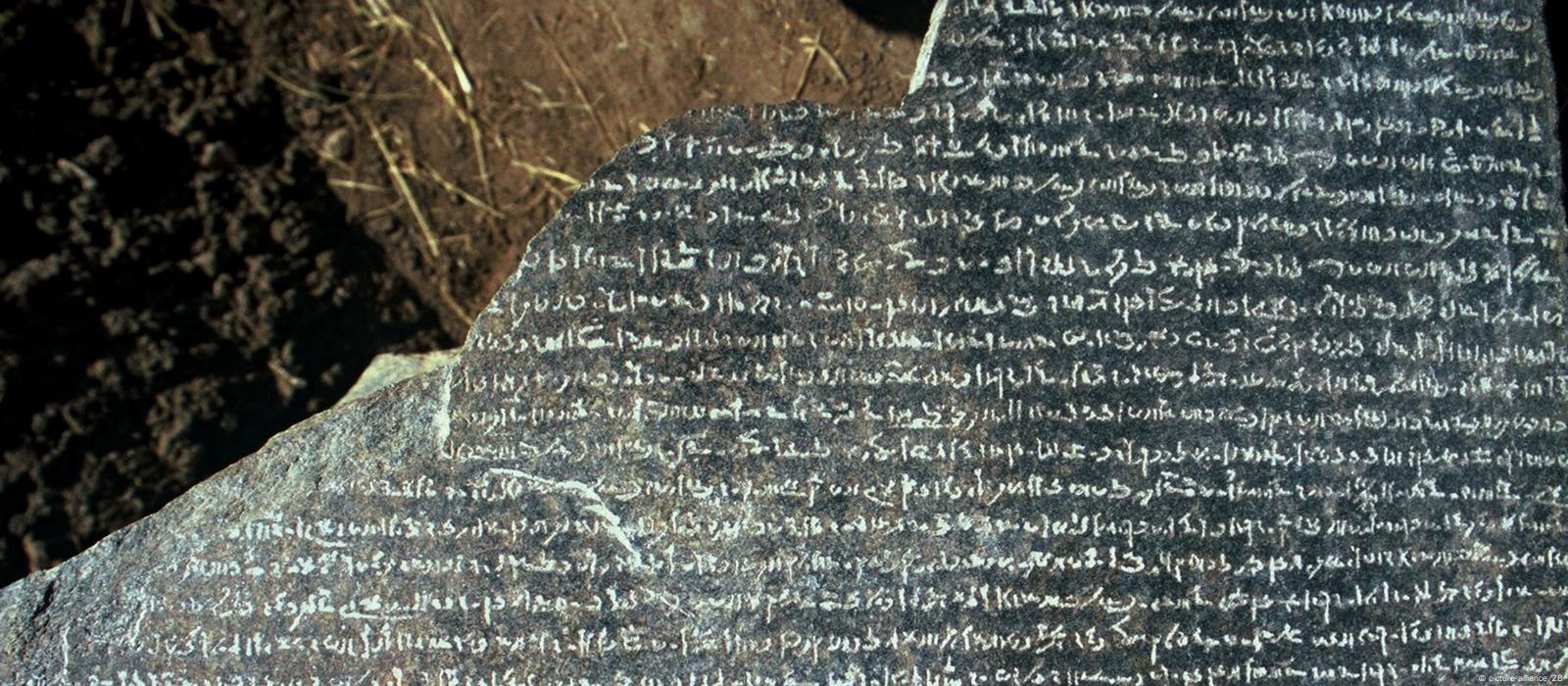
After an unsuccessful attempt to decipher it on his own, the renowned French orientalist Silvestre de Sacy, shared a copy with the Swedish diplomat Johan David Åkerblad. Within only two months, Åkerblad managed to identify a number of proper names, by putting the Greek and Demotic versions side by side. He also spotted alphabetically written Coptic items like “temples” and “Greeks”, which marked, in practice, one of the earliest real breakthroughs for grasping the Demotic script.
Although Åkerblad mistakenly believed Demotic writing was entirely alphabetic, his discoveries laid the foundation for future scholars studying Egyptian hieroglyphics.
How Egyptian Hieroglyphs Were Deciphered
The next major breakthrough came from the English scientist Thomas Young, famous for his work on the wave theory of light. When Young received a copy of the Rosetta Stone in 1814, he quickly realized that the Demotic script contained many signs that could not be explained through a simple alphabet.
Young also recognized the close relationship between Demotic and Egyptian hieroglyphs. By comparing repeated words in the Greek text with the other inscriptions, he built an extensive Greek-Demotic vocabulary and identified important phonetic patterns.
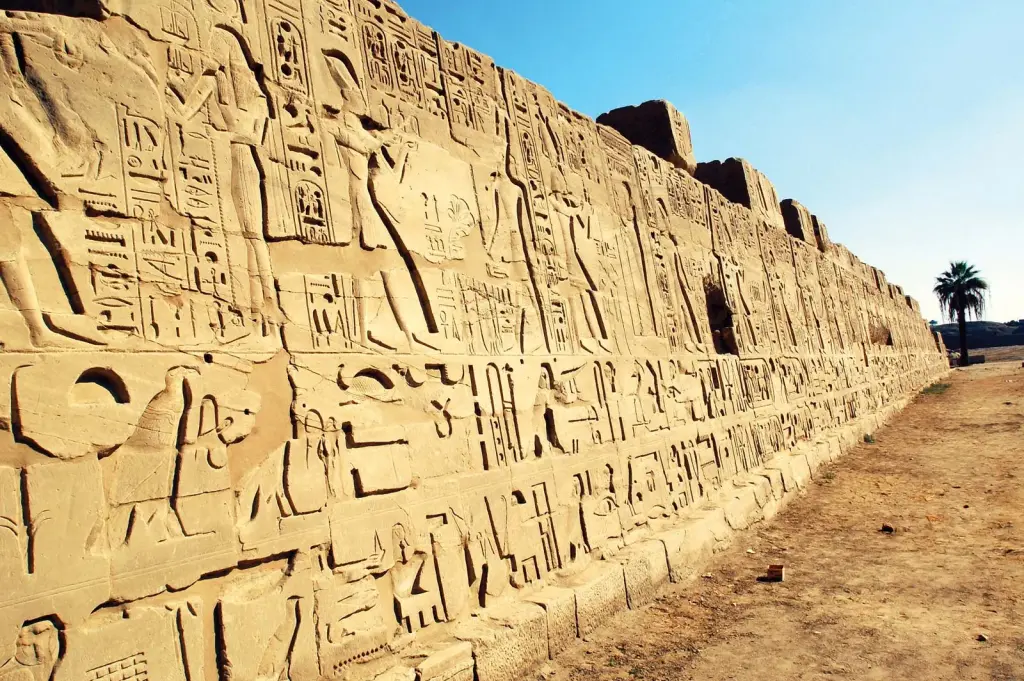
In 1816, Young expanded his research beyond the Rosetta Stone by studying papyri from the Book of the Dead. He demonstrated that Hieratic and Hieroglyphic writing represented different forms of the same language. He showed how Hieratic along with Hieroglyphic writing could be understood as different shapes, but still pointing to the same language, just with another method, not something totally separate. He also managed to spot royal cartouches that held the names of rulers like Ptolemy, Berenice and Tuthmosis, and at the same time he recognized the phonetic signs and the determinatives, those little clues you find all over Ancient Egyptian writing.
Although some of Young's conclusions were later proven incorrect, his research established the principles that made the complete decipherment of Egyptian hieroglyphics possible.
Champollion and Egyptian Hieroglyphs
Meanwhile, the young French scholar Jean-François Champollion, who would later achieve worldwide recognition as the decipherer of Egyptian hieroglyphs, continued his studies with remarkable dedication.
Born in 1790, Champollion developed a passion for Ancient Egypt from an early age. His extensive knowledge of Coptic, Hebrew, Arabic, and other Oriental languages enabled him to analyze Egyptian inscriptions more effectively than any of his contemporaries.

Champollion kind of became convinced that Hieratic, Demotic, and Hieroglyphic writing were really just different ways of keeping the same language around. After going through more inscriptions and yeah some of them turned up at Philae, he managed to pick out the names Ptolemy and Cleopatra, and in doing so he more or less showed that these hieroglyphs could work phonetically
His greatest breakthrough came in September 1822, when copies of temple inscriptions enabled him to identify the names of famous pharaohs such as Ramesses and Tuthmosis. This discovery confirmed that the writing system used by Ancient Egyptian rulers relied heavily on phonetic principles.
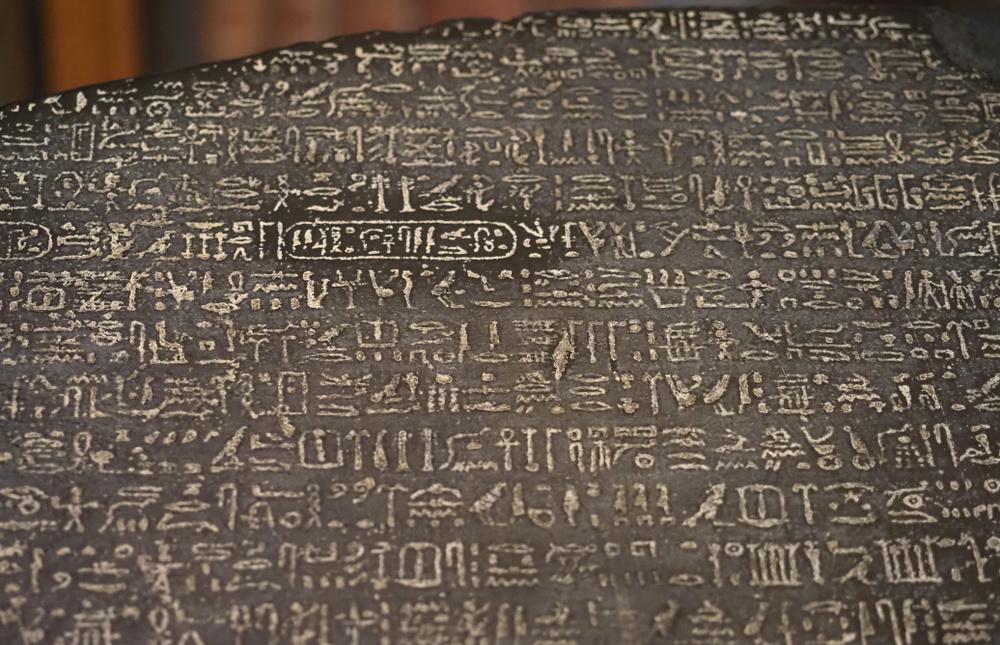
Champollion published his revolutionary work, in 1824, forever changing the study of Ancient Egypt and laying the foundations of modern Egyptology. He later traveled extensively through Egypt before his death in 1832 at the age of only 41.
Many outstanding Egyptologists carried on Champollion’s work, including Richard Lepsius, Samuel Birch, Heinrich Brugsch, Emmanuel de Rougé, Gaston Maspero, Adolf Erman, James Henry Breasted, Francis Griffith and Alan Gardiner , whose efforts really broadened our grasp of Egyptian history and Ancient Egyptian civilization.

The Legacy of the Rosetta Stone
Today, the Rosetta Stone remains one of the world's most important archaeological discoveries. Its decipherment unlocked the mysteries of Egyptian hieroglyphs, allowing historians to read ancient inscriptions, understand the lives of Egyptian pharaohs, and uncover thousands of years of Ancient Egyptian history.
Modern Egyptologists continue to build on the pioneering work of Thomas Young and Jean-François Champollion, ensuring that the remarkable story of Ancient Egypt and its writing system continues to inspire researchers and travelers from around the world.
If you're fascinated by Ancient Egypt, explore more articles about Egyptian history, famous pharaohs, ancient temples, and archaeological discoveries to learn more about one of the world's most remarkable civilizations.
Decipherment of the Hieroglyphs
Jean Francois Champollion, the young French scholar who was destined to win immortal fame as the decipherer of the hieroglyphs, had as yet but few positive results to record. Born at Figeac in the Department du Lot on the 23rd December 1790, Champollion’s interest in Egypt had awakened at a very early age.
-webp.webp)
-webp-webp.webp)
-webp-webp.webp)
-webp-webp.webp)
-webp-webp.webp)
-webp-webp.webp)
-webp-webp.webp)
-webp-webp.webp)
-webp-webp.webp)
-webp-webp.webp)