English
 português
 français
 italiano

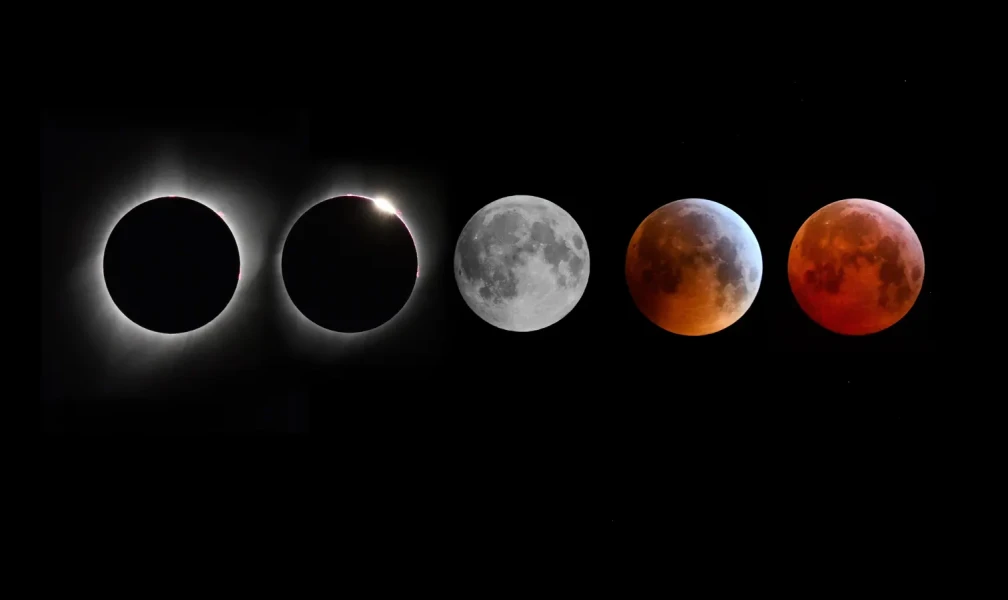
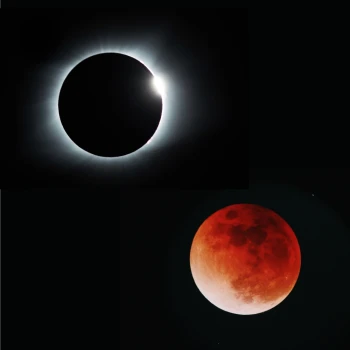
Se ti sei mai chiesto quale sia la vera differenza tra un’eclissi solare e un’eclissi lunare, non sei il solo. Entrambe si verificano quando il Sole, la Terra e la Luna si allineano secondo una geometria specifica, quasi prevedibile, ma il meccanismo non è lo stesso e ciò che si vede dalla Terra può essere completamente diverso.
L’Eclissi Solare in Egitto 2027 offrirà ai viaggiatori la possibilità di osservare un’eclissi solare totale, ovvero quando la Luna passa direttamente tra la Terra e il Sole e, per un breve periodo, il Sole scompare dalla nostra vista. Un’eclissi lunare avviene in un altro ordine. In questo caso, la Terra si trova tra il Sole e la Luna e la sua ombra attraversa la Luna, che appare più scura o colorata.
Una volta comprese queste differenze, l’evento celeste del 2027 diventa ancora più interessante e può anche essere utile se stai pianificando un Egypt Eclipse Tour, così da sapere fin dall’inizio cosa osserverai realmente.
Eclissi Solare vs. Eclissi Lunare: Quali Sono le Differenze?
Il modo più semplice per comprendere la differenza tra un’eclissi solare e un’eclissi lunare è osservare dove cade l’ombra della Luna.
Durante un’eclissi solare, la Luna si muove tra la Terra e il Sole. Da determinate località, la Luna può coprire completamente il disco luminoso del Sole, creando un’eclissi solare totale. Il cielo può diventare notevolmente più scuro, le temperature possono cambiare e la corona del Sole diventa visibile durante la totalità.
Durante un’eclissi lunare, la Terra si muove tra il Sole e la Luna. L’ombra della Terra cade sulla Luna, facendola apparire più scura o assumere una tonalità rossastra.
Ecco la differenza in modo semplice:
Eclissi solare: Luna → Terra → Sole
Eclissi lunare: Sole → Terra → Luna
Un’eclissi solare è visibile da aree specifiche della Terra.
Un’eclissi lunare può generalmente essere osservata da una parte molto più ampia del lato notturno della Terra.
Le eclissi solari richiedono una protezione speciale per gli occhi quando si osserva il Sole.
Le eclissi lunari possono generalmente essere osservate in sicurezza a occhio nudo.
Questo è uno dei motivi per cui l’Eclissi Solare Totale in Egitto è un evento così speciale. È necessario trovarsi nella giusta area geografica per sperimentare la totalità.
Cosa Succede Durante un’Eclissi Solare?
Un’eclissi solare inizia quando la Luna comincia a passare davanti al Sole dalla nostra prospettiva. All’inizio, solo una piccola parte del Sole può essere coperta. Man mano che la Luna continua a muoversi, una parte sempre maggiore del Sole scompare.
Durante un’eclissi solare totale, la Luna alla fine copre completamente la superficie luminosa del Sole. Questo breve periodo viene chiamato totalità.
Per i viaggiatori che osservano l’Eclissi Solare in Egitto, la totalità può essere una delle parti più spettacolari dell’intera esperienza. La luce del giorno può diminuire rapidamente, il paesaggio circostante può sembrare diverso e può diventare visibile la parte più esterna dell’atmosfera del Sole, la corona.
L’esperienza è molto diversa da un’eclissi lunare perché stai osservando la Luna bloccare il Sole dalla tua specifica posizione sulla Terra.
Ecco perché è importante anche scegliere il luogo di osservazione giusto. I viaggiatori che stanno pianificando un Egypt Solar Eclipse Tour 2027 dovrebbero prestare attenzione alla fascia di totalità e alle condizioni locali di osservazione, invece di scegliere semplicemente qualsiasi destinazione in Egitto.
Cosa Succede Durante un’Eclissi Lunare?
Un’eclissi lunare si verifica quando la Terra si sposta tra il Sole e la Luna, facendo cadere l’ombra della Terra sulla Luna.
A differenza di un’eclissi solare, un’eclissi lunare non richiede di trovarsi in una stretta fascia di osservazione. Se la Luna si trova sopra l’orizzonte dalla tua posizione durante l’eclissi, potrai osservare il fenomeno.
Una delle parti più affascinanti di un’eclissi lunare totale è la possibilità che la Luna appaia rossastra o arancione. Questo accade perché una parte della luce solare attraversa l’atmosfera terrestre prima di raggiungere la Luna.
Le eclissi lunari sono anche molto più facili da osservare dal punto di vista della sicurezza. Generalmente puoi guardare la Luna senza una protezione speciale per gli occhi perché non stai guardando direttamente il Sole.
Quindi, anche se entrambi i fenomeni coinvolgono l’allineamento del Sole, della Terra e della Luna, creano esperienze completamente diverse.
Eclissi Solare vs. Eclissi Lunare: Quale È Più Rara?
Sia le eclissi solari che quelle lunari sono fenomeni astronomici naturali, ma non si verificano esattamente nello stesso modo e non hanno la stessa visibilità.
Le eclissi solari possono verificarsi diverse volte all’anno in qualche parte della Terra, ma le eclissi solari totali sono molto più difficili da osservare da una determinata località. La fascia di totalità è relativamente stretta, quindi le persone che viaggiano generalmente pianificano l’intero viaggio intorno all’area precisa in cui si verificherà quella fase di totalità.
Un’eclissi lunare, invece, può essere visibile da un’area molto più ampia. Normalmente non è necessario viaggiare verso una specifica fascia stretta per osservarla.
Questa differenza è uno dei principali motivi per cui le persone viaggiano a livello internazionale per vivere un’eclissi solare totale.
Per l’Eclissi Solare in Egitto 2027, i viaggiatori possono combinare l’evento astronomico con alcune delle destinazioni più famose dell’Egitto. Invece di viaggiare solo per pochi minuti di totalità, i visitatori possono trascorrere diversi giorni esplorando siti antichi, godendosi il Nilo e vivendo la cultura egiziana.
Un Egypt Solar Eclipse Tour di 10 giorni può essere particolarmente interessante per i viaggiatori che desiderano trasformare l’eclissi in una vacanza completa anziché in un evento di un solo giorno.
Vivi l’Eclissi Solare del 2027 in Egitto
L’eclissi solare totale del 2027 offre un’opportunità insolita di combinare astronomia e viaggio. L’Egitto offre uno scenario affascinante, con antichi templi, paesaggi desertici, il fiume Nilo e città storiche che creano uno sfondo memorabile per l’evento.
Se sei un viaggiatore interessato all’Eclissi Solare in Egitto 2027, puoi organizzare un itinerario che attraversi Il Cairo, Luxor e Assuan. Luxor è particolarmente interessante per i viaggiatori dell’eclissi grazie ai suoi antichi templi e siti archeologici e, sì, una crociera sul Nilo è un modo rilassante per spostarsi tra alcune delle destinazioni più importanti dell’Egitto.
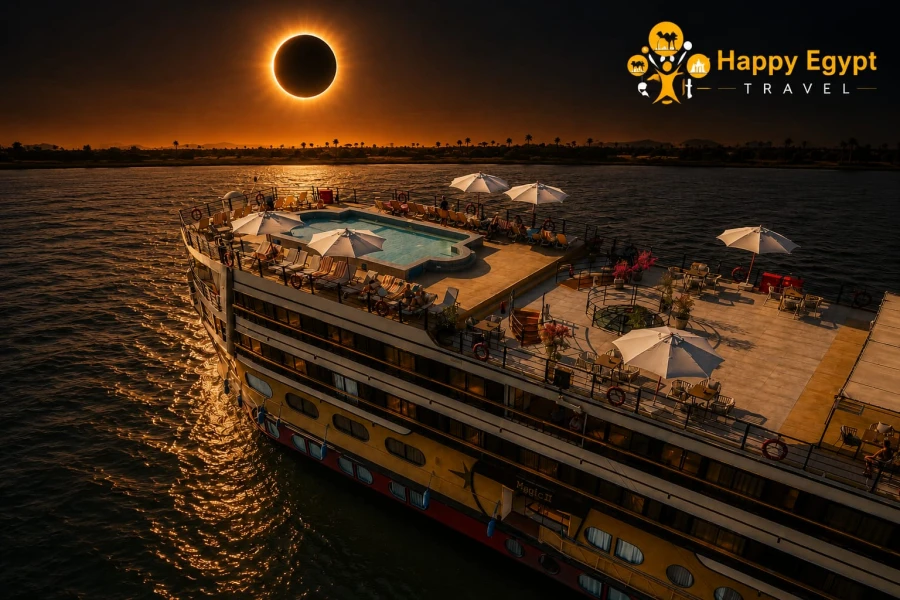
Un’esperienza di Eclissi Solare in Egitto con Crociera sul Nilo può combinare l’osservazione dell’eclissi con le visite turistiche, permettendo ai viaggiatori di esplorare l’Egitto prima e dopo il principale evento astronomico.
Se stai confrontando un’eclissi solare con un’eclissi lunare, il punto principale è semplice: un’eclissi solare si verifica quando la Luna blocca il Sole dalla nostra prospettiva, mentre un’eclissi lunare si verifica quando l’ombra della Terra cade sulla Luna. L’eclissi solare totale del 2027 è quindi un’opportunità unica per vivere uno dei tipi di eclissi più spettacolari in una destinazione ricca di migliaia di anni di storia.
Per i viaggiatori pronti a vivere questo raro evento di persona, scopri il nostro Egypt Solar Eclipse Tour 2027 e scopri un itinerario che combina l’osservazione dell’eclissi con Il Cairo, Luxor, Assuan e il Nilo.
-webp.webp)
-webp-webp.webp)
-webp-webp.webp)
-webp-webp.webp)
-webp-webp.webp)
-webp-webp.webp)
-webp-webp.webp)
-webp-webp.webp)
-webp-webp.webp)
-webp-webp.webp)