English
 português
 Deutsch
 français
 italiano

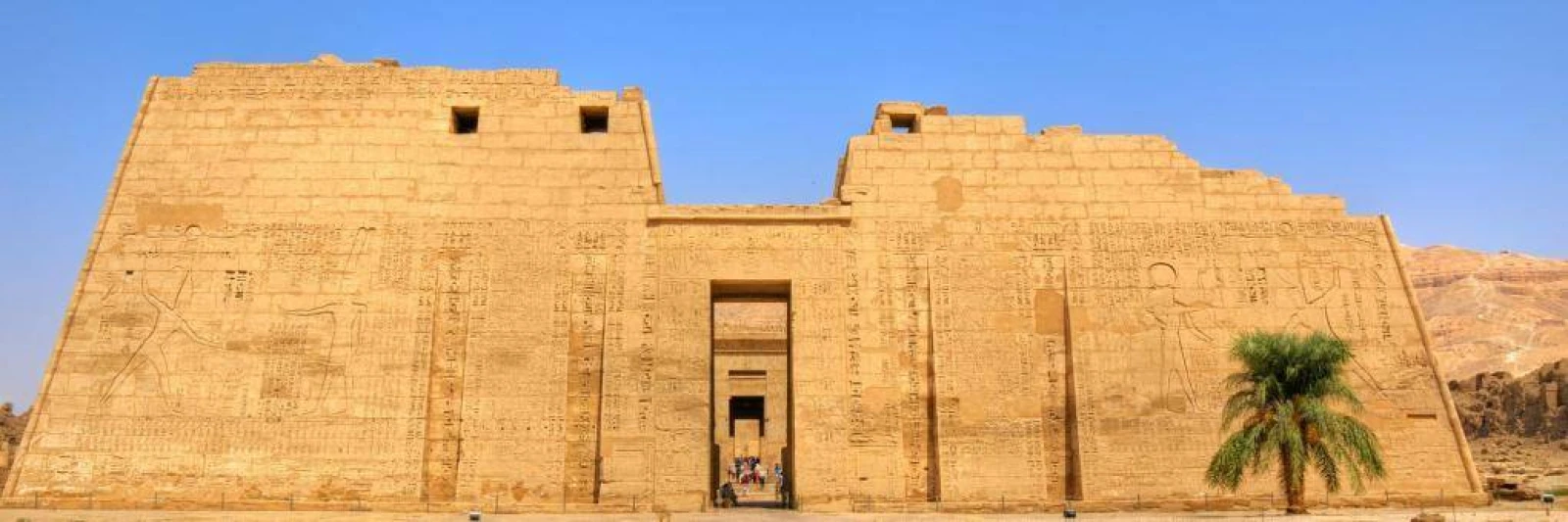

Medinet Habu, situated in Luxor, Egypt, is a rambling sanctuary complex famous for its very much protected old Egyptian design and rich verifiable importance. Devoted essentially to the god Amun-Ra and his partner Mut, Medinet Habu highlights great arch doors, mind-boggling wall reliefs portraying strict and military scenes, and lively hieroglyphic engravings. As a UNESCO World Legacy site, it offers guests a spellbinding look into the magnificence and social profundity of Egypt's New Realm period, making it a must-visit objective for history lovers and voyagers
Medinet Habu
Settled on the western bank of the Nile in Luxor, Egypt, Medinet Habu remains as a great complex that exemplifies the loftiness and social extravagance of old Egyptian design and history. This rambling site, frequently alluded to as the Funeral home Sanctuary of Ramesses III, isn't simply a sanctuary however a fort and managerial focus that assumed a vital part during the New Realm time frame (1550-1070 BCE).
- Verifiable Importance
Medinet Habu was essentially worked during the rule of Pharaoh Ramesses III (1186-1155 BCE), the last extraordinary pharaoh of the New Realm's twentieth Line. It was devoted to the god Amun and filled in as a morgue sanctuary where customs for the pharaoh's the great beyond were directed. Past its strict capability, Medinet Habu likewise worked as a tactical fortress, monitoring the Theban necropolis against intrusions. - Building Wonders
The structural design of Medinet Habu is a demonstration of old Egyptian designing ability. The complex is encased inside huge mudbrick walls, interspersed by transcending arches embellished with many-sided reliefs and symbolic representations that describe accounts of regal victories and strict functions. Inside, extensive yards lead to safe-havens and sanctuaries, each enhanced with bright paintings portraying divine beings, pharaohs, and day to day existence scenes. - Social and Strict Setting
Medinet Habu gives significant experiences into old Egyptian strict convictions and statecraft. The intricate reliefs and engravings offer looks into customs regarding divine beings, the pharaoh's heavenly status, and the perplexing administration that dealt with the realm's undertakings. Its essential area likewise represents the pharaoh's power over both the profound and fleeting domains, mirroring Egypt's getting through social and political importance.

The Set of Experiences Behind Medinet Habu
Medinet Habu, situated on the west bank of the Nile close to Luxor, Egypt, is saturated with a rich history that traverses centuries. Initially worked as a morgue sanctuary devoted to the god Amun, it later developed into a multifunctional complex filling both strict and regulatory needs during the New Realm time frame (1550-1070 BCE).
Establishment and Development
Medinet Habu was charged by Pharaoh Ramesses III (1186-1155 BCE), the last extraordinary pharaoh of the twentieth Line. Its development started around the 29th year of his rule and went on for a very long time, mirroring the great desires of the pharaoh to make a fantastic construction that would act as a demonstration of his power and heavenly power. The complex was decisively situated to neglect the Theban necropolis, supporting its job as a defensive fort.
Strict Importance
At its center, Medinet Habu was a position of strict love and custom. Devoted principally to Amun, the main god of Thebes, the sanctuary complex facilitated elaborate functions and contributions pointed toward getting heavenly blessing for the pharaoh and guaranteeing the congruity of Ma'at (request and concordance) in Egyptian culture. The sanctuary areas included asylums, houses of prayer, and lobbies embellished with multifaceted reliefs and pictographs portraying scenes of strict importance.
Military and Managerial Capabilities
Past its strict job, Medinet Habu likewise worked as a tactical station and managerial focus. Its sustained walls and decisively positioned towers filled in as a guarded obstruction against unfamiliar attacks, protecting the Theban necropolis and the encompassing farming terrains from likely dangers. The complex housed garisson huts, storerooms, and studios, exhibiting its double capability in both profound and mainstream administration.

Structural Miracles of Medinet Habu
Medinet Habu, situated on the west bank of the Nile close to Luxor, Egypt, remains as an exceptional demonstration of old Egyptian compositional ability. Constructed fundamentally during the reign of Pharaoh Ramesses III in the twelfth century BCE, this perplexing serves as a morgue sanctuary as well as a strengthened managerial focus and an image of illustrious power. Here, we dive into the engineering wonders that make Medinet Habu a magnum opus of old Egyptian plans during our Egypt Nile Cruise.
Design and Construction of Medinet Habu.
Medinet Habu is coordinated around a focal hub running from east to west, ordinary of Egyptian sanctuary buildings. It contains a progression of yards, lobbies, and safe-havens encased inside monstrous mudbrick walls, some of which are more than 12 meters (40 feet) high. The sanctuary is placed through fantastic arch doors embellished with giant sculptures and many-sided reliefs portraying scenes from folklore and illustrious promulgation.
Arches and Passages
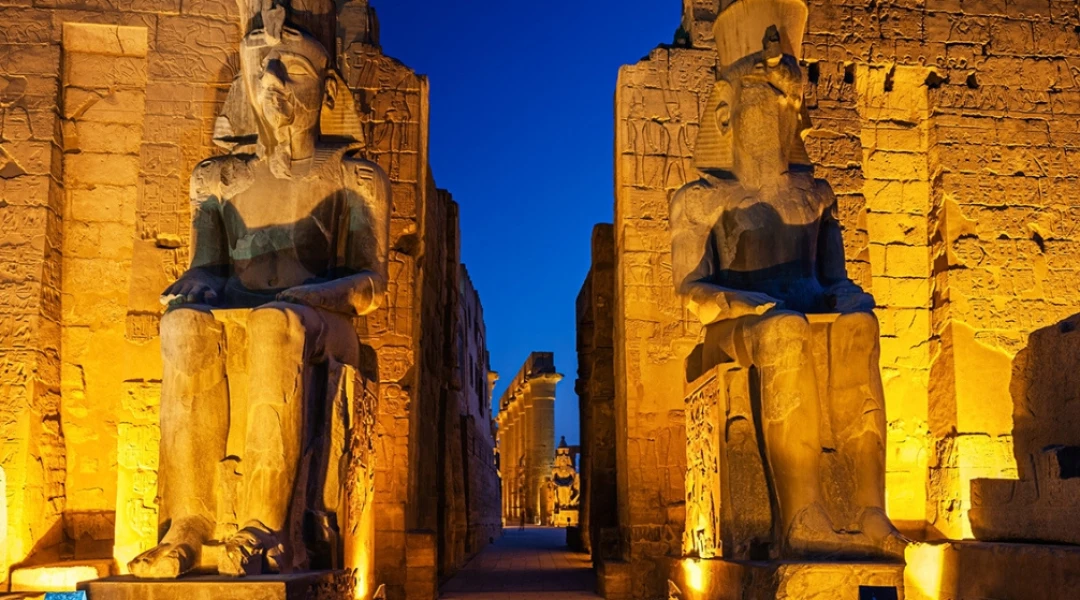
The main building highlight that welcomes guests are the overwhelming arches, huge mudbrick towers that filled in as entryways to the sanctuary region. These arches, frequently enhanced with titanic sculptures of the pharaoh in a token of security, were representative as well as practical, denoting the progress from the mainstream world to the holy space of the sanctuary.
Yards and Hypostyle Lobbies
Past the arches lie sweeping patios encompassed by corridors and hypostyle lobbies. These open spaces were utilized for public functions, parades, and strict customs. The hypostyle lobbies, described by columns of segments supporting monstrous stone lintels, gave haven and shade while likewise filling in as spaces for strict social occasions and authoritative capabilities.
Beautifying Components and Reliefs
One of the most striking elements of Medinet Habu is its intricate design. The walls of the sanctuary complex are embellished with brilliant reliefs and hieroglyphic engravings that describe strict legends, verifiable occasions, and the heavenly authority of the pharaoh. These reliefs filled an enriching need as well as passed on philosophical messages of illustrious power and the pharaoh's job as a middle person between the divine beings and mankind.

Imaginative Fortunes inside Medinet Habu
Medinet Habu settled on the west bank of the Nile close to Luxor, Egypt, is eminent for its engineering greatness as well as for its rich assortment of creative fortunes. This old complex, fundamentally developed during the reign of Pharaoh Ramesses III in the twelfth century BCE, houses plenty of creative wonders that offer significant experiences into the social, strict, and public activity of old Egypt. We should dive into the imaginative fortunes that make Medinet Habu a social pearl:
Wall Reliefs and Symbolic Representations
One of the most wonderful parts of Medinet Habu's imaginative abundance lies in its broad assortment of wall reliefs and hieroglyphic engravings. Decorating the sanctuary's walls, these complex reliefs portray scenes from Egyptian folklore, authentic occasions, and strict customs. Symbolic representations, the sacrosanct content of antiquated Egypt, go with these reliefs, giving a literary setting that upgrades how we might interpret the sanctuary's strict importance and the pharaoh's heavenly power.
Sanctuary Engineering as Workmanship
The structural components of Medinet Habu themselves act as creative fortunes. The great arches, decorated with gigantic sculptures and elaborate alleviation carvings, represent the power and heavenly order of the pharaoh. The accuracy and craftsmanship obvious in the development of hypostyle lobbies, yards, and safe havens mirror the old Egyptians' dominance of building plans as a type of imaginative articulation.
Protection and Conservation
Endeavors to save and safeguard the creative fortunes of Medinet Habu are progressing. Preservation projects center around settling delicate reliefs, forestalling further crumbling of painted surfaces, and guaranteeing that guests can see the value in these social curios for a long time into the future. Current strategies and advances are utilized to defend the trustworthiness of Medinet Habu's creative legacy while upgrading openness for sightseers and specialists the same.
Social Importance and Inheritance
Medinet Habu's creative fortunes not just feature the specialized expertise of old Egyptian skilled workers yet in addition give a window into the social and otherworldly existence of quite possibly of history's most getting through human progress. Through these works of art, we gain significant experiences with old Egyptian convictions, values, and imaginative works, building up the sanctuary's status as a UNESCO World Legacy Site and a reference point of Egypt's social heritage.

Visiting Medinet Habu Today
Medinet Habu, situated on the west bank of the Nile close to Luxor, Egypt, is a must-visit objective for history devotees and voyagers trying to drench themselves in the old miracles of Egypt. Here's the beginning and end you want to be aware of to take full advantage of your visit:
Area and Outline
Medinet Habu is arranged in the Theban Necropolis, only south of the Monsters of Memnon and inverse the advanced city of Luxor. This rambling complex filled in as both a morgue sanctuary and a royal residence stronghold during the New Realm time frame, essentially developed during the rule of Pharaoh Ramesses III (c. 1186-1155 BCE). Its very much protected designs and rich beautifications offer a brief look into the strict and managerial elements of old Egyptian illustrious focuses.
Wall Reliefs and Pictographs: Wonder about the all-around safeguarded wall reliefs and hieroglyphic engravings that enhance the sanctuary's inside and outside walls. These portray scenes from Egyptian folklore, regal announcements, and the pharaoh's heavenly genealogy, offering experiences into antiquated Egyptian convictions and ceremonies.
Churches and Asylums: Visit more modest houses of prayer and safe havens inside the complex devoted to explicit divine beings and regal predecessors. Find sculptures and bas-reliefs portraying gods, pharaohs, and heavenly customs, mirroring the profound meaning of Medinet Habu in antiquated Egyptian strict practices.
Down to earth Data
- Opening times: Medinet Habu is regularly open day to day from early morning to late evening. Check nearby timetables for exact timings as they might fluctuate.
- Tickets: Extra charges are expected for visiting Medinet Habu. Consider buying a consolidated ticket that incorporates admittance to other close by archeological destinations, like the Valley of the Lords and the Sanctuary of Hatshepsut.
1. Prologue to Medinet Habu
Medinet Habu, situated in Luxor, Egypt, is a rambling sanctuary complex famous for its very much protected old Egyptian design and rich verifiable importance. Devoted essentially to the god Amun-Ra and his partner Mut, Medinet Habu highlights great arch doors, mind-boggling wall reliefs portraying strict and military scenes, and lively hieroglyphic engravings. As a UNESCO World Legacy site, it offers guests a spellbinding look into the magnificence and social profundity of Egypt's New Realm period, making it a must-visit objective for history lovers and voyagers the same.




-webp.webp)
-webp-webp.webp)
-webp-webp.webp)
-webp-webp.webp)
-webp-webp.webp)
-webp-webp.webp)
-webp-webp.webp)
-webp-webp.webp)
-webp-webp.webp)
-webp-webp.webp)